
São Paulo Travel Guide: Things to Do, Where to Stay and Safety Tips
São Paulo Travel Guide
São Paulo Travel Notes and the Best Things to Do in São Paulo
Imagine a country that takes 48 days off a prisoner’s sentence for every 12 novels they read in a year, but which is also one of the most dangerous countries in the world. Then welcome to Brazil. It’s a very different part of the world. Huge. More than 200 million people live here. The Amazon is famous, Rio is famous.
Turning all this over in our heads, we went to Brazil incredibly curious. And we came back with every one of our questions answered.
Before we start writing about São Paulo, Paraty and Rio de Janeiro, here’s our view of Brazil in one breath: we loved it, the good and the bad! The people are warm, Rio is beautiful, the dancing is great, the food is great. But there are plenty of downsides too.
For example, São Paulo is a very unsafe city. And by unsafe we don’t mean the odd bag snatching. We mean armed gangs carrying out robberies (we didn’t see it ourselves, but that’s what the locals and friends who live there told us)! Before our trips we’d heard that Thailand and Mexico were unsafe too, yet we never felt in danger walking their streets. In São Paulo it was the opposite: after 10 pm we just wanted to get back to our hotel. We didn’t like being out in São Paulo, or rather, we couldn’t be out much. It’s 8 pm, we’re holding a phone, looking for a place on the map. We can’t find it. We decide to ask someone and stop one of the few men we see at that hour, and his first piece of advice is: put that phone away. At 8 pm! So go on, call that a safe city. If you’re wondering whether Rio is different: not as bad as São Paulo, but still not safe. So when you come to Brazil, don’t carry too much cash and avoid walking down empty streets late at night. 🙂
Another sad thing is that Brazil is really expensive. It’s said to be one of the most expensive countries in South America. For example, a McDonald’s meal cost about twice what the same meal cost in Turkey at the time.
One last downside: English! Yes, we know few people speak English in France or Spain too, but Brazil is on another level! If you don’t speak Portuguese or Spanish, you’ll struggle a bit. Let’s put it this way: the person at the ticket office doesn’t understand “ticket” and the bus driver doesn’t understand “bus”. Because of this we often ended up paying more than we should have. You try to communicate, but you just can’t get your point across. Google Translate and sign language give up, and in the end you say “fine, just give me that one, whatever it costs!!” It takes years off your life. (An offline translation app with Portuguese downloaded is a lifesaver today.)
On the other hand, the most cheerful thing about Brazil is how cosmopolitan it is. Imagine a country where white, Black, young, old, blonde, Arab, Spanish, Portuguese, Asian, Balkan, short, tall and African people are all mixed together. Nobody looks like anybody else. 🙂 More than 200 million completely different people. Before we went, people told us “they might think you’re Brazilian, because everyone looks Brazilian”, and we didn’t understand what they meant. (The penny dropped once we were there.)
We think Brazilians themselves describe their country best. They say: “Brazil is God’s chosen country, the only one. He loves it most. The problem is, he sent Brazilians to run it.” 🙂 That’s exactly the kind of country it is.
If you can accept all that, you’re ready to start exploring Brazil.
São Paulo Travel Guide
The starting point of our two-week Brazil trip was São Paulo, where we spent three days. The reason was simple: flights to São Paulo were the cheapest. Flights are the biggest expense of a Brazil trip. Turkish Airlines has direct flights, but they’re expensive. We were happy with a connection and bought Istanbul – São Paulo tickets with KLM for 750 euros return per person. (Yes, that part hurt a bit.)
Turkish citizens, as well as EU and UK passport holders, don’t need a visa for Brazil. 2026 note: since April 2025, US, Canadian and Australian citizens need an e-visa again, so check the current rules for your passport before you book.
Since Brazil is in the southern hemisphere, its seasons are the opposite of ours. The hottest months are December to March, and winter is June to September. We say winter, but don’t picture a real winter. Even in July, the “depths” of winter, São Paulo rarely gets much colder than around 15 degrees. We went in September and swam in the sea in Rio de Janeiro! That gives you an idea.
Getting Around São Paulo
The cheapest and easiest way from the airport to the metro is the city bus. City buses leave from in front of Guarulhos Airport, and a one-way ticket was 4.5 reais when we went; a single metro ticket was 3 reais. Fares have gone up since, so check current prices. Since we were only staying three days, we didn’t get a metro card. If you plan to stay longer, a card may work out cheaper. Apart from the bus on the first day, we only used the metro. Considering São Paulo has around 12 million people, you can imagine how crowded the metro gets. Oh, and it’s a good idea to get an English city map (or download an offline map) before leaving the airport. As we said, almost nobody in the city speaks English, so asking for directions doesn’t get you far. Today, Uber and 99 are also widely used and a safer option at night.
Where to Stay in São Paulo
Life in São Paulo revolves around Avenida Paulista and the surrounding area. But hotel prices there are a real rip-off. Places one or two metro stops away are relatively affordable, and hostels are much, much cheaper. Since São Paulo was our first stop and we didn’t want to burn through our money straight away, we stayed at Paradiso Hostel on Rua Alegrete, two stops from Avenida Paulista. The rooms and the owners were lovely. We paid 40 USD per room per night. Of course, if you want to splash out, we can send you towards Paulista, no problem 🙂
City Life
Even on the way in from the airport you’ll notice that many São Paulo homes have doors like prison gates, so to speak. Lots of houses have lock after lock, topped with barbed wire. Seeing that gives you a sense of insecurity and makes you jumpy about thieves. The more you see, the deeper you push your valuables into your bag.
Even though Brazilians are very warm and helpful, that jumpiness stayed with us throughout our time in São Paulo. (Instead of the iron bars, you could try focusing on the murals and graffiti on the buildings.) 🙂
Things to Do in São Paulo
São Paulo’s busiest street is Avenida Paulista, a long avenue lined with huge buildings and skyscrapers. On Sundays it’s closed to cars and turns into a giant pedestrian street full of musicians, which is the best time to walk it.
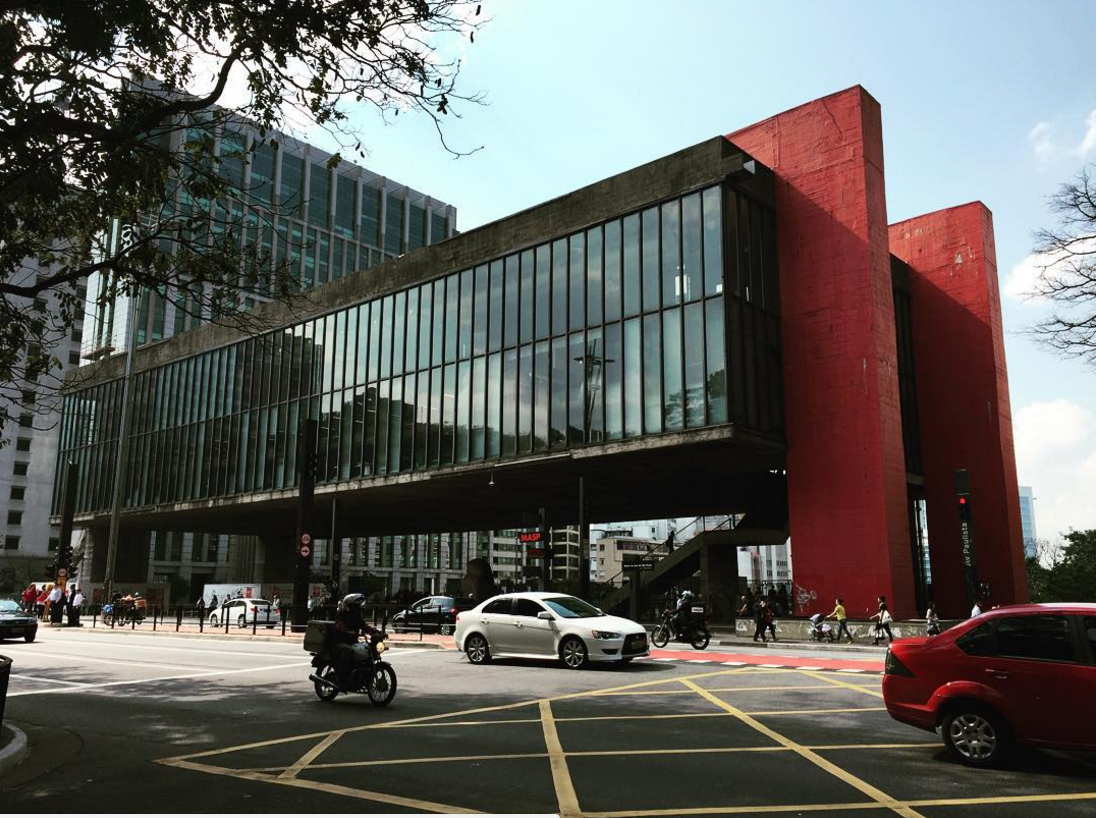
One of the most important buildings on the avenue is the São Paulo Museum of Art (Museu de Arte de São Paulo, MASP). Designed by the Italian-born architect Lina Bo Bardi, the building is famous for fitting a complex museum programme above the street while leaving the public space underneath completely open. The museum also holds the most important collection of paintings and sculpture in São Paulo, and arguably in all of South America, as well as one of the country’s largest art libraries. When we went there wasn’t much of a queue; we had our tickets within 10 minutes. Inside you’ll find works by many famous artists, all the way to Rodin’s sculptures. We noted this museum down as a São Paulo must-see 🙂

Livraria Cultura in the Conjunto Nacional building was a fixture of Avenida Paulista and one of the city’s biggest bookshops, with people sitting in armchairs reading from morning to evening. We sighed for the bookshops disappearing in our own country. (The chain has had financial trouble in recent years, so check whether it’s open before you go.)
Rua Oscar Freire is where São Paulo’s richest live, and naturally where the most expensive shops are. Here you realise São Paulo is a city of contrasts. The people on this street are so rich that some buildings have helipads on the roof. But they’re so afraid of thieves and gangs that the homes are surrounded by three or four layers of wire, even electric fencing, and you pass through three or four separate doors to get in. So São Paulo’s rich have become rich, but not free. (That’s how we consoled ourselves. 🙂
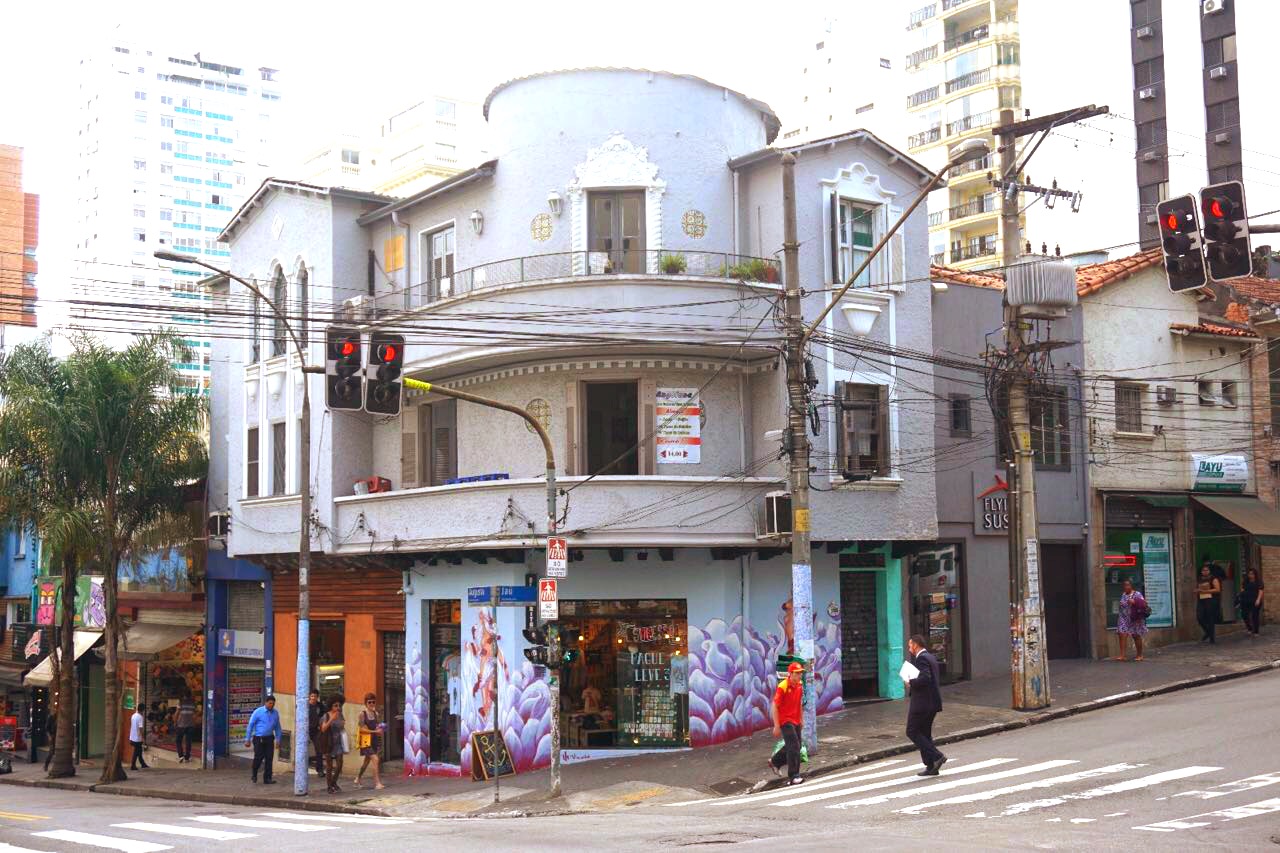
Rua Augusta is another nice street in São Paulo. On this downhill street you can find lovely things at reasonable prices in small boutiques, and not just clothes but all kinds of design products. If you’re looking for a gift for someone, we’d recommend it. One thing we’d add: every downhill has an uphill. Don’t go too far down, and if you do, take a bus back up. Walking back up after a long day can be brutal.
Praça da Sé is one of São Paulo’s main squares; a taxi from Avenida Paulista was about 10 reais. The famous São Paulo Cathedral is on this square. The downside is that homeless people have settled in every corner, with police everywhere among them. Thinking about the luxury and helipad homes of Oscar Freire the day before, we felt bad in this square. We’d planned to go inside the cathedral, but our mood dropped and we didn’t stay long. We later heard that the city’s homeless shelters had been closed and many homeless people had taken refuge in this square.

After Praça da Sé we took the metro to Vila Madalena. Credit where it’s due: this is known as the city’s “hipster” neighbourhood and its street art is excellent. Wandering the streets and looking at the murals, especially in Beco do Batman, is the best thing to do here.
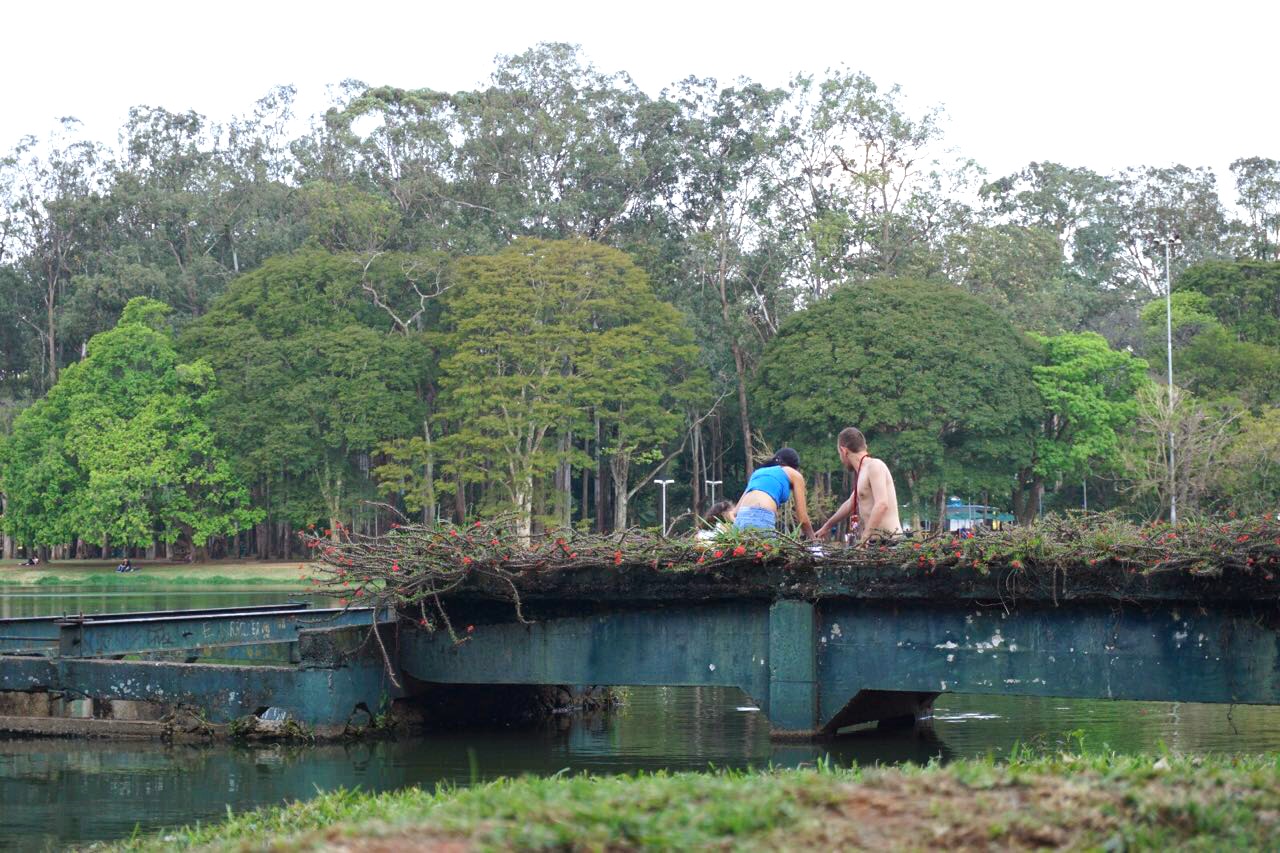
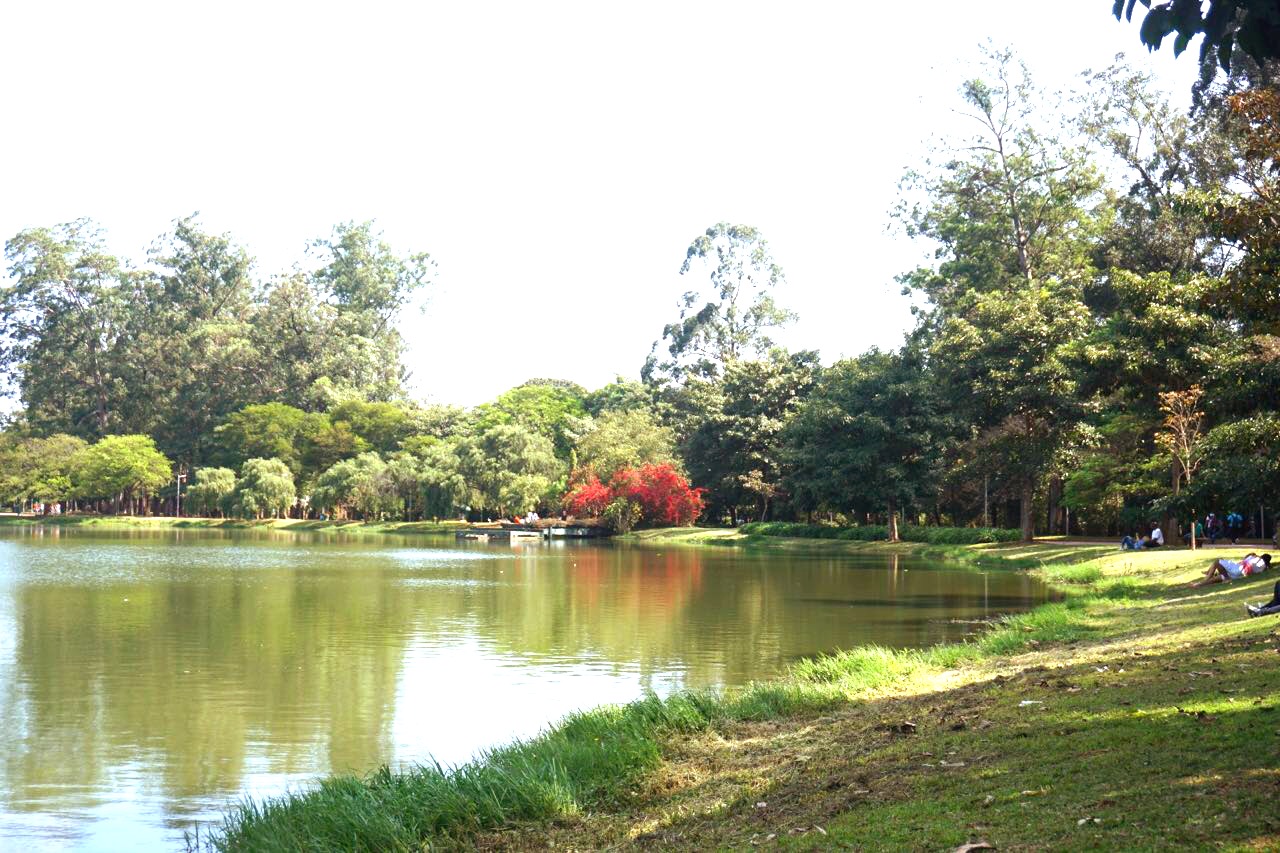
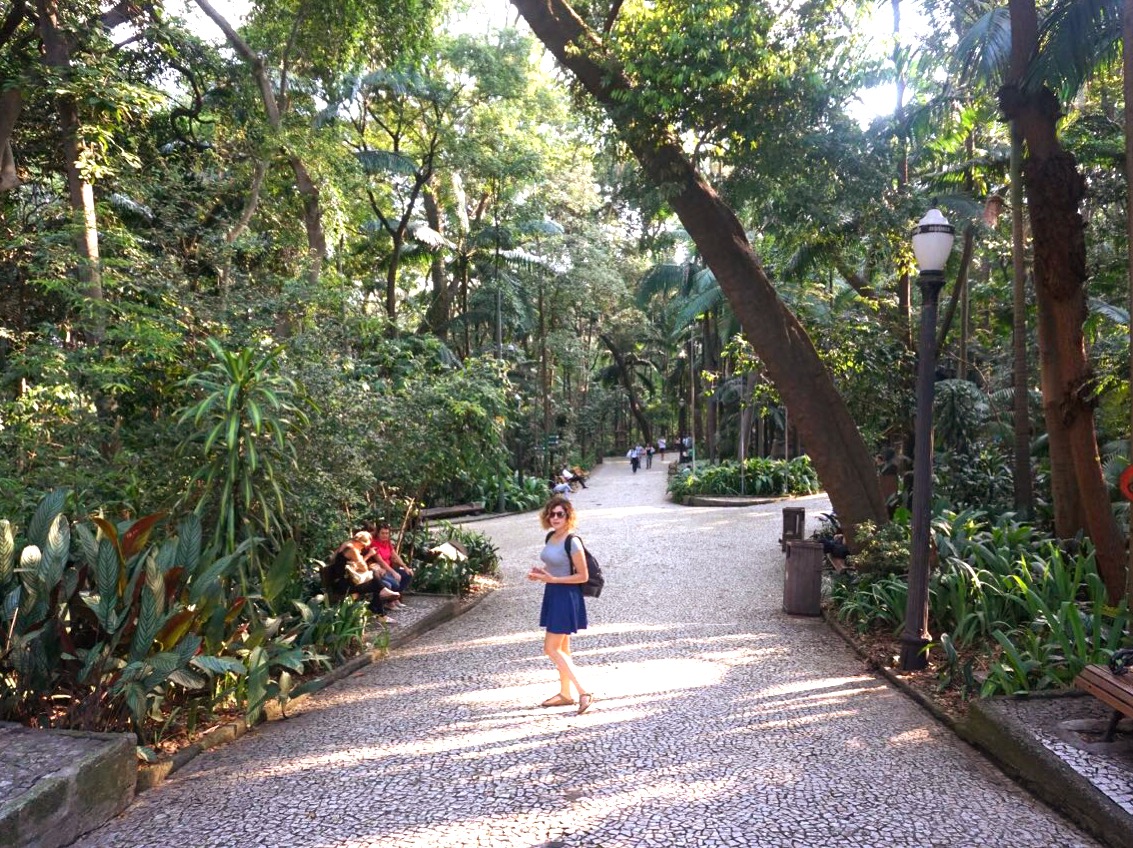
Anyway, let’s talk about the good things in São Paulo. Its best feature is its parks. The city’s most famous park is Parque do Ibirapuera. Imagine a park so big that it has cycle paths, lakes, dirt and asphalt running tracks and every kind of sports field. They built it and it works. And as if that weren’t enough, it’s full of people with incredible physiques out jogging. 🙂 To be honest, we thought Umut’s eyes would light up in Brazil, but the Brazilian women myth turned out to be just that, a myth! Everyone had told us about Brazilian women’s beauty, but it turned out the men were the real eye candy. Everywhere you look there are muscular guys who seem to have stepped out of an advert. So Asya’s eyes lit up more than mine. Anyway, back to the park: we went on our first day in São Paulo, rented bikes at the entrance for 5 reais an hour, and spent half the day cycling and resting by the lake when we got tired. It was a great way to shake off the long flight and rest. So yes, go. 🙂
Where to Eat and Drink in São Paulo
Restaurants in Brazil are expensive. In the first mid-range restaurant we went into, we ordered a chicken dish for 20 reais, expecting a big portion, and got a single piece of chicken breast. Don’t picture a plate with salad or fries; it was literally one small, dry, pan-cooked chicken breast, the kind you eat on a diet! That’s when we realised this city really is expensive 🙂
Mercado Municipal is the city’s market hall. You can find every kind of food here, from fish to marshmallows. We timed our visit for lunch, tasted all sorts of snacks and fruit, and had a cheap lunch too. Our favourite was pastel de carne, a crispy fried pastry filled with meat. 🙂 The market is also famous for its giant mortadella sandwich.

The famous dish of meat-loving Brazilians is churrasco, basically a mixed grill. There are restaurants dedicated to it (churrascarias) and they’re a bit pricey. But we figured once wouldn’t hurt, so we tucked into churrasco on our first day 🙂
If you like trying the burger joints of every city you visit, Pão com Carne Hamburgueria is for you (and of course for us too 🙂 ). After exploring Ibirapuera Park, you can walk here and have a great burger. All kinds of burgers were around 15 reais, a very good price by Brazilian standards.
We mentioned Rua Augusta. If you go there, try Gopala Hari, a small but very popular restaurant serving all kinds of vegetarian home cooking. Prices are reasonable for Brazil. (We can’t say cheap, but cheap for Brazil, note that again. 🙂
Finally, we can’t skip Jiquitaia, near the São Paulo Museum of Art. They make Brazilian dishes we can’t even begin to describe, but they taste great. Prices are so-so.
When Night Falls
São Paulo isn’t a very safe city at night. So you follow the crowd 🙂 Normally we walk every city until our feet give out, even at night, but in São Paulo we stuck to busy places popular with tourists.
Having come all the way to Brazil, you can’t skip a salsa bar. At Azucar you can try Brazil’s national drink, the caipirinha, and dance. Even if you go saying “we only want to watch”, at some point the waiters will pull you onto the dance floor, so be ready!
If you want to spend the evening around Paulista, go to Ó do Borogodó. It’s a real Brazilian samba bar, far from the “Manhattan” feel of Avenida Paulista. We discovered it by chance and spent our second night there. We loved it. Drinks were much cheaper than elsewhere around Paulista.
So, what did we think of São Paulo overall? We usually love every city and think anything different is beautiful, and we adored Rio de Janeiro, but we openly didn’t like this city! The glaring gap between rich and poor, the streets feeling very unsafe at night, the high prices, the rich covering their luxury car windows with dark film out of fear: with all these negatives, São Paulo failed the test for us. Whichever way we looked at it, it just didn’t work for us.
Of course, this is based on our three days as tourists. Maybe locals have got used to living here, or know the nicer, more liveable parts of the city and are happy.
So for now we see São Paulo not as a city to visit for its own sake but as one to stop in on the way. A well-planned three days is enough to see the city, and from here you can move on to Brazil’s other beautiful places. We’re glad we went to Rio afterwards, so Brazil stayed in our minds as a beautiful country.
Our next stop was the colonial town of Paraty: read our Paraty travel guide. 🙂
You can also find us on Instagram: https://www.instagram.com/yoldabiblog/
Lots of love!